- April 25, 2025
- 9:01 am
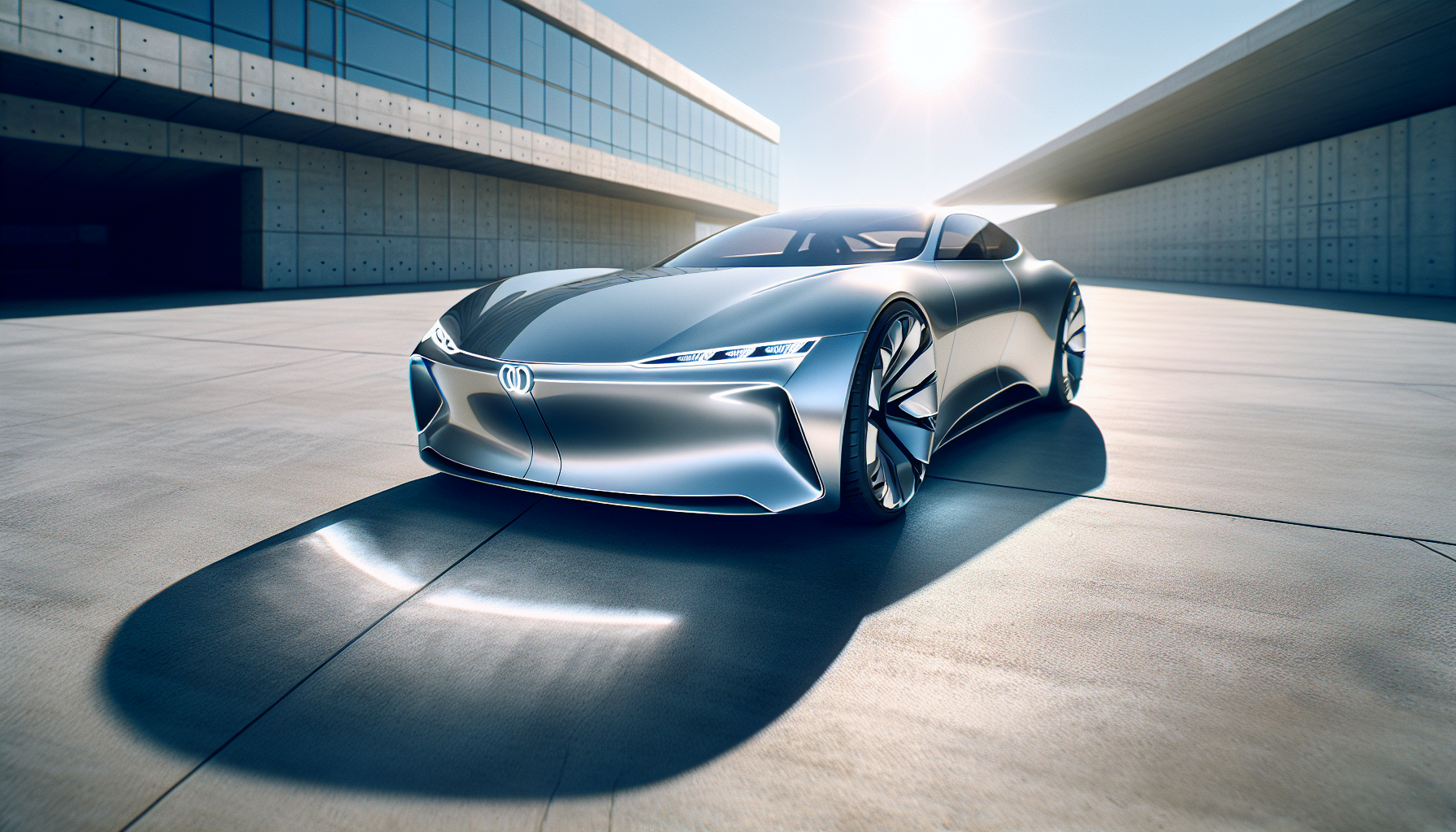
Concept cars have long been the playground for automotive designers and engineers to push the boundaries of what’s possible in the realm of automotive design. These visionary vehicles serve as a window into the future of transportation, showcasing cutting-edge technologies, innovative design elements, and forward-thinking environmental practices. In this article, we delve into the world of concept cars, tracing their evolution, exploring their design elements, and examining their impact on the future of the automotive industry.
The Evolution of Concept Cars
The concept car has a rich history that dates back to the early 1930s when manufacturers began showcasing futuristic prototypes at auto shows. These early concept cars were more about showcasing design prowess and innovation rather than mass production feasibility.
Early Concept Car Innovations
The first concept cars introduced features and design elements that were ahead of their time. From sleek aerodynamic shapes to innovative safety features, these early prototypes set the stage for future automotive innovation.
Modern Concept Car Trends
In recent years, concept cars have become even more daring and imaginative. Manufacturers now use these vehicles to preview upcoming design languages, technologies, and sustainability initiatives.
Design Elements in Concept Cars
Concept cars are known for their unique and futuristic design elements that often challenge traditional automotive design conventions.
Futuristic Exterior Designs
Concept cars feature futuristic exteriors characterized by bold shapes, innovative lines, and avant-garde materials. These designs push the boundaries of what is considered possible in automotive aesthetics.
Innovative Interior Concepts
The interior of a concept car is a playground for designers to showcase cutting-edge technologies and innovative layouts. From interactive displays to adaptive seating arrangements, concept car interiors redefine the driving experience.
Environmental-Friendly Concepts
As environmental concerns become more prominent in the automotive industry, concept cars are leading the way in exploring sustainable and eco-friendly solutions.
Sustainable Materials and Energy Efficiency
Concept cars often feature sustainable materials such as recycled plastics, reclaimed wood, and energy-efficient components. These materials not only reduce the vehicle’s environmental impact but also inspire mainstream manufacturers to adopt similar practices.
Zero Emissions and Alternative Power Sources
Many concept cars are equipped with zero-emission powertrains, such as electric motors or hydrogen fuel cells. These alternative power sources pave the way for a greener future in the automotive industry.
Impact on Future Automotive Industry
Concept cars play a significant role in shaping the future of mainstream vehicle production, influencing design trends, technological advancements, and consumer expectations.
Incorporation of Concept Car Elements
Features first seen in concept cars often find their way into production vehicles, showcasing the industry’s commitment to innovation and progress. From advanced safety systems to futuristic design elements, concept cars drive the evolution of mainstream cars.
Shaping Consumer Expectations
Concept cars serve as a glimpse into the future of automotive innovation, setting consumer expectations for upcoming vehicle releases. By showcasing what’s possible in terms of design, technology, and sustainability, concept cars drive demand for cutting-edge features in production vehicles.
Contact BPT Motors at bptmotors@gmail.com or (330) 509-9250 to learn more about how concept cars influence the vehicles in their inventory. Whether you’re a technology lover, an eco-conscious buyer, or a luxury enthusiast, BPT Motors offers a wide selection of vehicles that cater to all preferences and needs.